


 English
 Spanish
 French
 German
 Italian
 Chinese (Simplified)
 Japanese
 Korean
 Arabic
 Portuguese
Call us now
08071792569

 Send Inquiry
Fanless Panel Pc Touch Screen
Price 300000.0 INR/ Unit
MOQ : 1 Unit
Fanless Panel Pc Touch Screen Specification
- Screen Size
- 15 Inch Inch (in)
- Processor Main Frequency
- 1500 2200 Megahertz (MHZ)
- Camera
- Front Camera
- Bluetooth
- Yes
- Processor Type
- Intel 11th Gen Core
- Screen Resolution
- 1024 768 (XGA)
- Cache
- 12 MB (i7), 8 MB (i5), 6 MB (i3)
- Weight
- OPTIONAL Kilograms (kg)
- Monitor
- LED
- CPU
- Intel Core i7-1185G7E / i5-1145G7E / i3-1115G4E
- Chipset
- Intel Tiger Lake Platform
- Graphics
- Integrated Card
- Memory
- 64 Gigabyte (GB)
- Memory Speed
- 3200 MHz
- Memory Upgradable upto
- 64 Gigabyte (GB)
- ODD
- No
- HDD
- Supports 2.5" SATA HDD/SSD + M.2 NVMe/SATA SSD Megabyte (MB)
- LAN
- Dual LAN (2 2.5 Gigabit Ethernet)
- Mouse
- Wireless Mouse
- Keyboard
- Other
- OS
- Windows 10 IoT LTSC (64-bit), Windows 11, Linux
- Connectivity Options
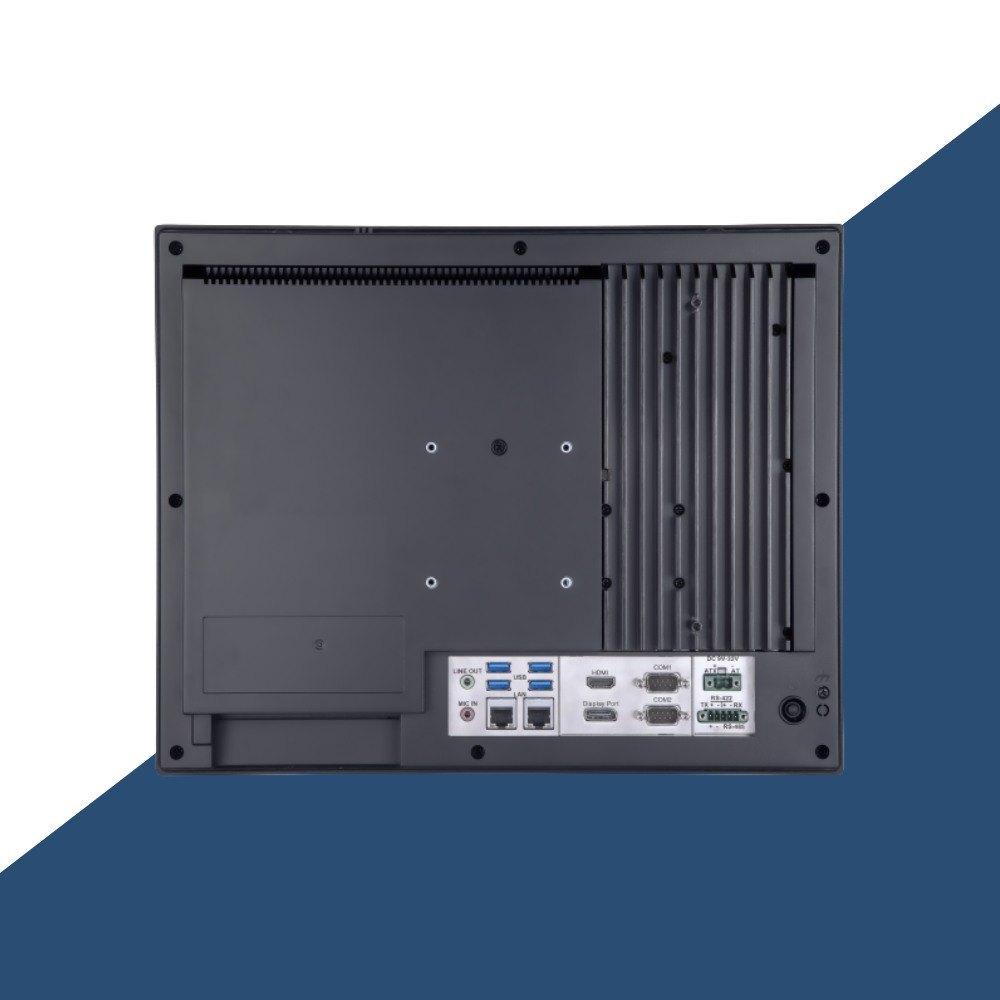
- Dual 2.5GbE LAN, USB 3.2, HDMI, DisplayPort, RS-232, RS-422/485
- Warranty Period
- Not Applicable
Fanless Panel Pc Touch Screen Trade Information
- Minimum Order Quantity
- 1 Unit
- Supply Ability
- 500 Units Per Month
- Delivery Time
- 7 Days
Fanless Panel Pc Touch Screen About
Product Description
Featuring a 15-inch XGA TFT LCD display with a 10-point projected capacitive multi-touch screen, the PPC-415 provides an intuitive user experience for machine control, SCADA systems, factory automation, and process monitoring. The rugged IP66-rated front panel and die-cast aluminum bezel make it ideal for harsh industrial environments.
With dual Gigabit Ethernet, multiple serial ports, USB connectivity, HDMI, DisplayPort, PCIe/PCI expansion, TPM 2.0 security, and support for Windows and Linux operating systems, the PPC-415 is built to meet the needs of modern Industry 4.0 applications.
Key Features
- 15-inch XGA TFT LCD industrial touchscreen display
- Intel 11th Gen Core i7, i5, or i3 processor options
- Fanless design for reliable 24/7 industrial operation
- 10-point projected capacitive multi-touch screen
- IP66-rated front panel for dust and water resistance
- Wide 932 VDC power input
- Supports up to 64 GB DDR4 RAM
- PCIe x4 or PCI expansion slot
- Dual 2.5 Gigabit Ethernet ports with TSN support
- Supports up to 3 independent displays
- M.2 NVMe/SATA storage support with SATA RAID
- TPM 2.0 hardware security
- Multiple serial ports (RS-232 & isolated RS-422/485)
- HDMI and DisplayPort outputs
- VESA, Panel, Wall and Desktop mounting support
- Compatible with Windows 10 IoT, Windows 11 and Linux
Industrial-Grade Performance
Built with Intel Core i7, i5, or i3 11th Gen Tiger Lake processors and up to 64GB of high-speed memory, this fanless panel PC provides excellent processing power and reliability for demanding environments. Its fanless design ensures silent operation and durability, making it ideal for continuous operations.
Versatile Connectivity Options
This panel PC includes comprehensive connectivity support-dual 2.5GbE LAN, HDMI, DisplayPort, multiple USB 3.2 ports, and RS-232/422/485 serial connectivity. Optional Bluetooth and wireless mouse compatibility enhance integration and user convenience across various setups.
Flexible Storage and OS Support
With support for both 2.5" SATA HDD/SSD and M.2 NVMe/SATA SSD storage, you can scale storage to fit your needs. Select from Windows 10 IoT LTSC, Windows 11, or Linux operating systems for seamless integration into your workflow, empowering business applications in trade, export, or wholesale scenarios.
FAQ's of Fanless Panel Pc Touch Screen:
Q: How do I upgrade the memory on the Fanless Panel PC Touch Screen?
A: Memory on this panel PC can be upgraded up to 64GB. Simply open the designated access panel as described in the user manual and install the compatible memory module. It's recommended to consult certified technicians for installations to ensure optimal performance and warranty adherence.Q: What are the screen specifications of this panel PC?
A: The device features a 15-inch LED touchscreen with a 1024x768 (XGA) resolution, delivering sharp visuals and responsive interaction suitable for industrial and commercial applications.Q: When should I choose optional features like Bluetooth or a wireless mouse?
A: Optional Bluetooth connectivity is ideal if your application involves wireless device integration, such as barcode scanners or speakers. The wireless mouse option offers cable-free convenience, especially in clean or limited-space environments.Q: Where can this Fanless Panel PC be deployed effectively?
A: This system is suitable for industrial automation, retail kiosks, digital signage, and control rooms. Its robust construction and flexible mounting make it adaptable for various locations, from factory floors to customer-facing commercial spaces.Q: What are the benefits of the dual 2.5GbE LAN feature?
A: Dual 2.5GbE LAN ensures faster data transfer, redundancy, and increased network reliability, which is especially advantageous for mission-critical tasks or environments requiring continuous connectivity.Q: How does the fanless design benefit the user?
A: The fanless architecture minimizes noise, reduces moving parts-thereby decreasing maintenance needs-and enhances system longevity, making it particularly beneficial for dust-prone or noise-sensitive areas.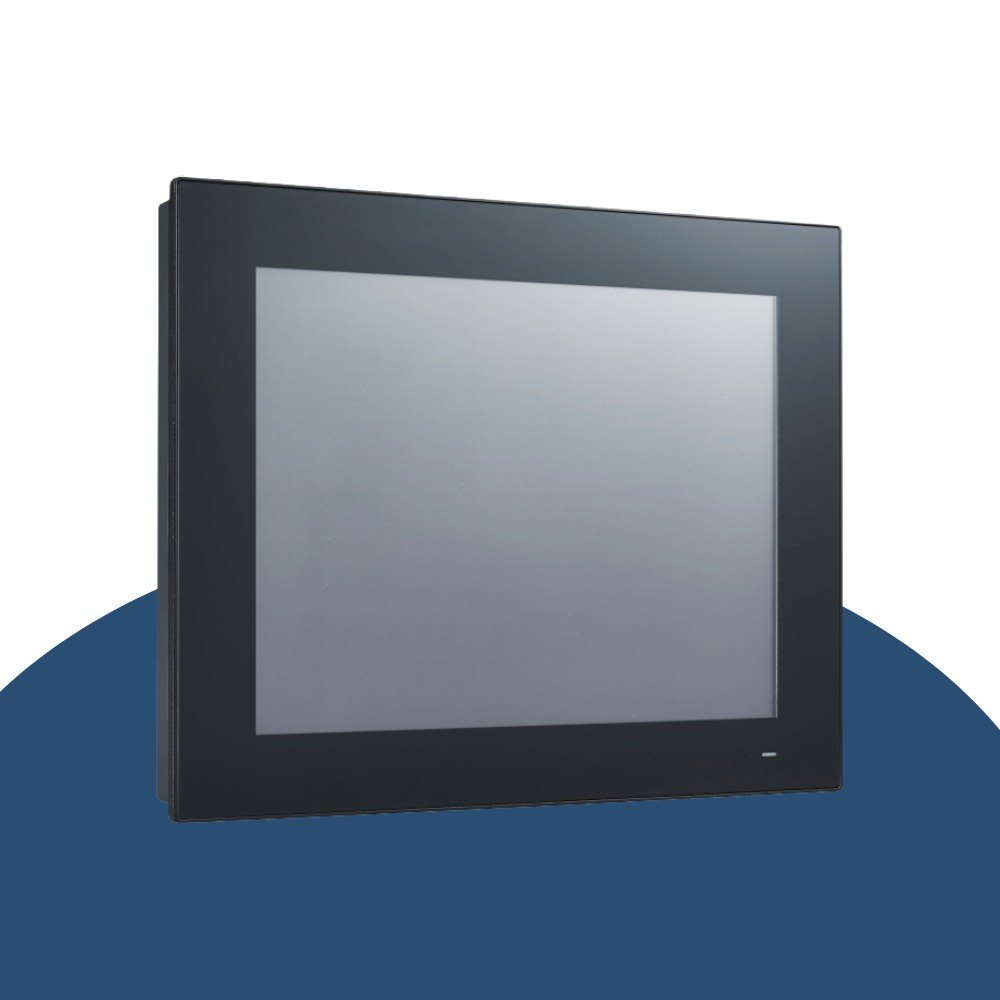

Tell us about your requirement

Price:
Quantity
Select Unit
- 50
- 100
- 200
- 250
- 500
- 1000+
Additional detail
Mobile number
Email


GST : 06AAAFQ7117Q1ZV

B No. 1130, Sector - 55, Ballabhgarh,Faridabad - 121004, Haryana, India
Phone :08071792569
 Send Inquiry
- Explosion Proof Camera
- Flameproof Cable Gland
- Multi Gas Detector
- Flameproof Telephone System
- Flameproof Hooter
- Flameproof DOL Starter
- Gas Detector
- Push Button Station
- Air Conditioner
- Flameproof Switch
- Handheld Camera
- Temperature Screening Solution
- Flameproof Fan
- Cable Assemblies
- Obstruction Light
- Testing Equipment
- Power Cables
- Solenoid Valves
- Food Texture Analyzer
- PS200 Portable Multi Gas Detector
- Explosion Proof Air Conditioner
- Top Drive Cable Assemblies
- Flameproof Solenoid Valves
- Fever Screening Handheld Camera
- Explosion Proof Pendant Light Fittings
- Industrial Panel Pc
- Wall Mount Paging Station
- Flameproof Rotary Switch
- Heavy Industrial Connector
- Flir Thermal Imager
- Aviation Light
- Panel PC
- Touch Screen Panel
- Explosion Proof Enclosure Heater
- Thermal Imager
- Intercom System
- Flameproof Socket
- Flameproof Switch Socket
- Explosion Proof Junction Box
- Flameproof Lights
 Send Inquiry
 Send SMS
QANDS SERVICES AND TECHNOLOGIES LLP
All Rights Reserved.(Terms of Use)
Developed and Managed by Infocom Network Private Limited.
Developed and Managed by Infocom Network Private Limited.

