


 English
 Spanish
 French
 German
 Italian
 Chinese (Simplified)
 Japanese
 Korean
 Arabic
 Portuguese
Call us now
07971258311

 Send Inquiry
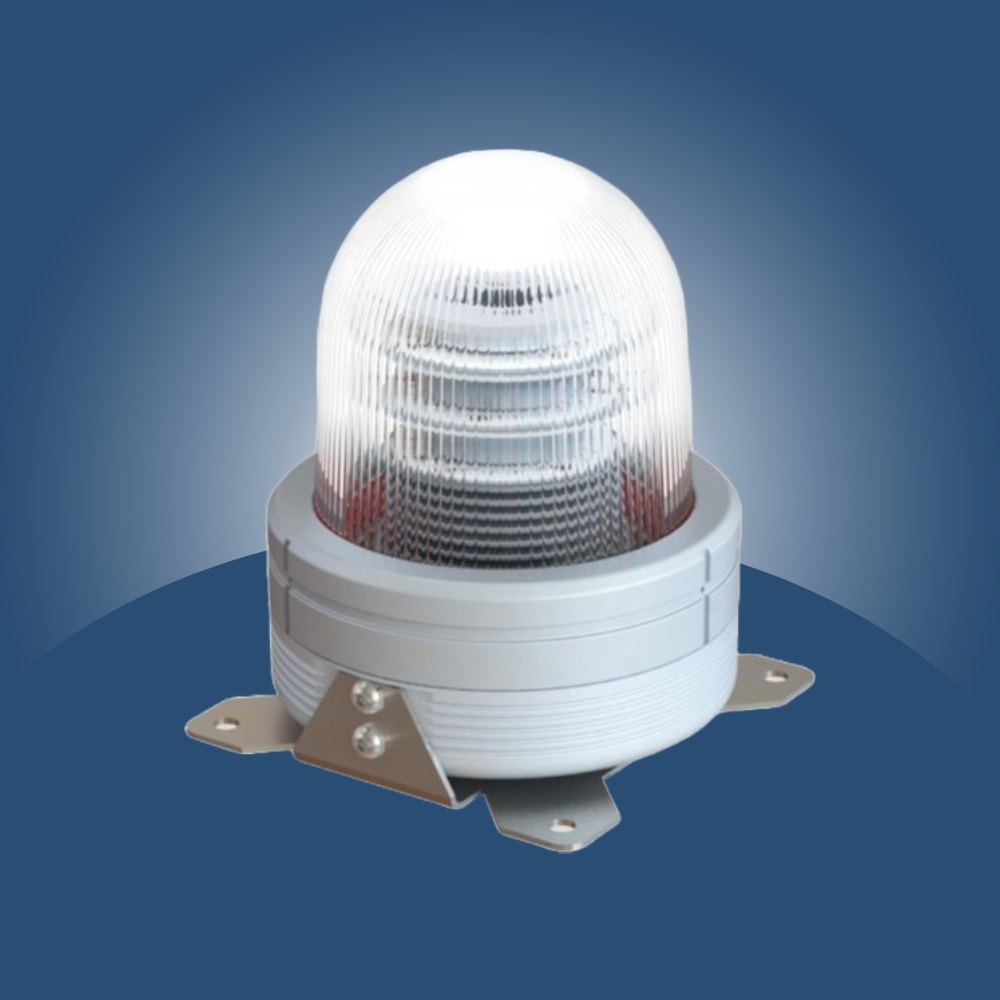
Low Intensity Aviation Warning Lights
Price 35000.0 INR/ Unit
MOQ : 4 Pieces
Low Intensity Aviation Warning Lights Specification
- Voltage
- 16 32 V DC Ampere (amp)
- Accuracy
- 700 cd Effective Luminous Intensity %
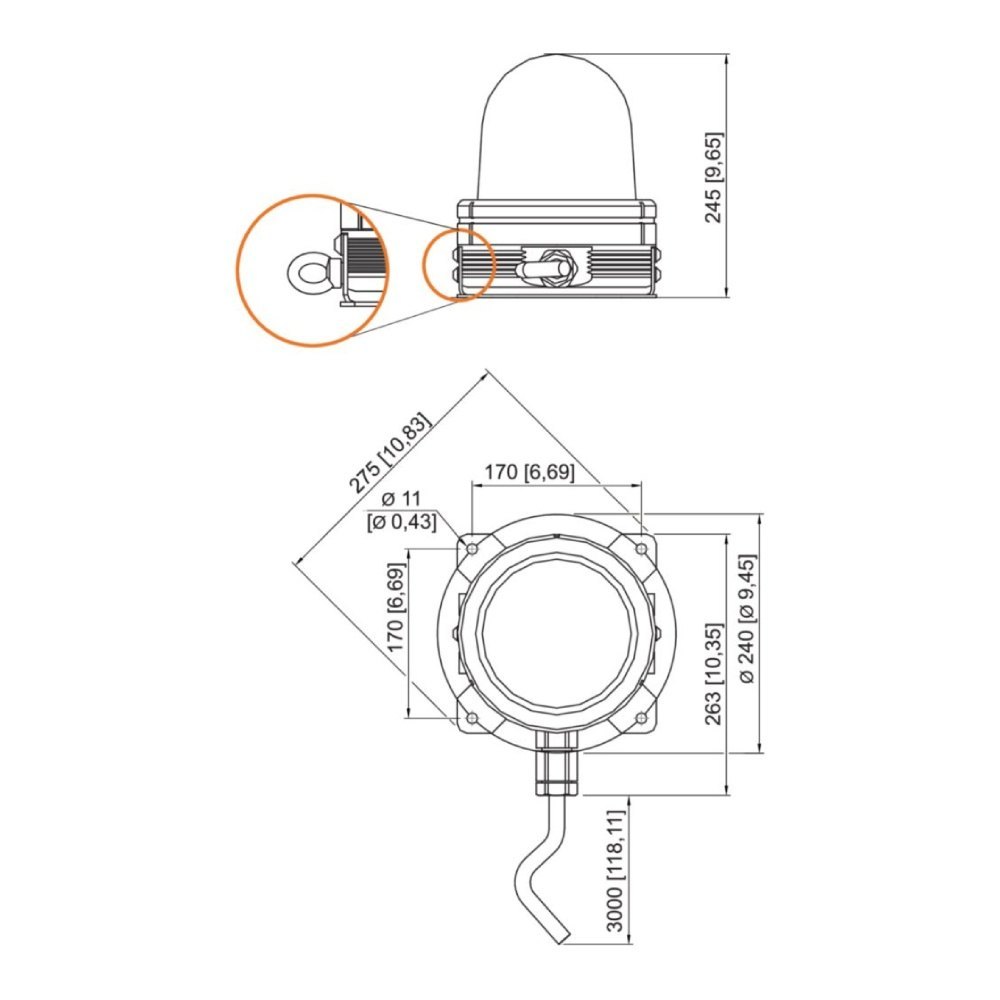
- Dimension (L*W*H)
- 25 20 18 cm Centimeter (cm)
- Weight
- 3 Kilograms (kg)
- Usage
- Helideck Aviation Warning, Offshore Safety, Hazardous Area Signaling
- Manufacturing Year
- 2025 Years
- Material
- Marine Grade Aluminium Alloy Housing
- Radio
- No
- Thrust
- Not applicable
- Length
- 25 Centimeter (cm)
- Flying Weight
- Not Applicable Gram (g)
- Scale
- Not Applicable
- Wingspan
- Not Applicable
- EDF Diameter
- Not Applicable Millimeter (mm)
- Battery
- Not Applicable
- Power
- 30 W Watt (w)
- Technique
- LED Optical Signaling Technology
- Technology
- Red LED + Infrared (IR)
Low Intensity Aviation Warning Lights Trade Information
- Minimum Order Quantity
- 4 Pieces
- Delivery Time
- 7 Days
About Low Intensity Aviation Warning Lights
Description
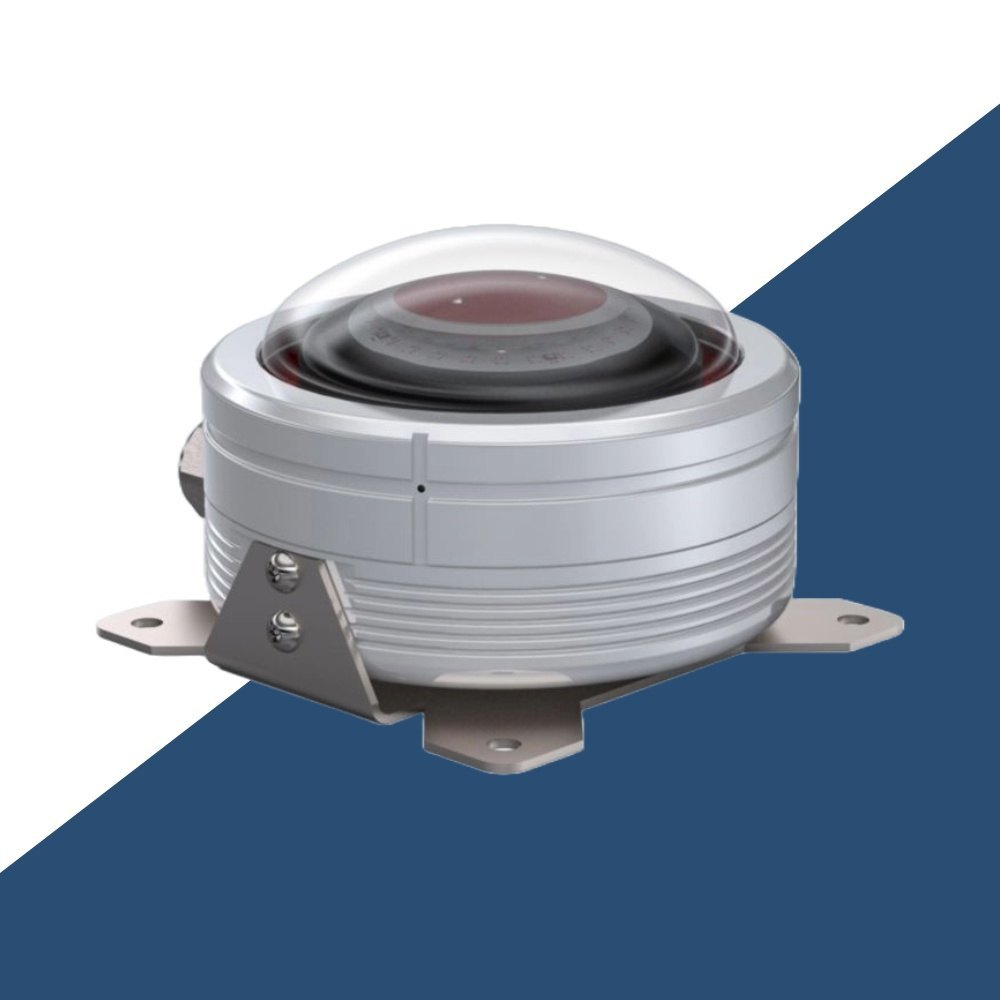
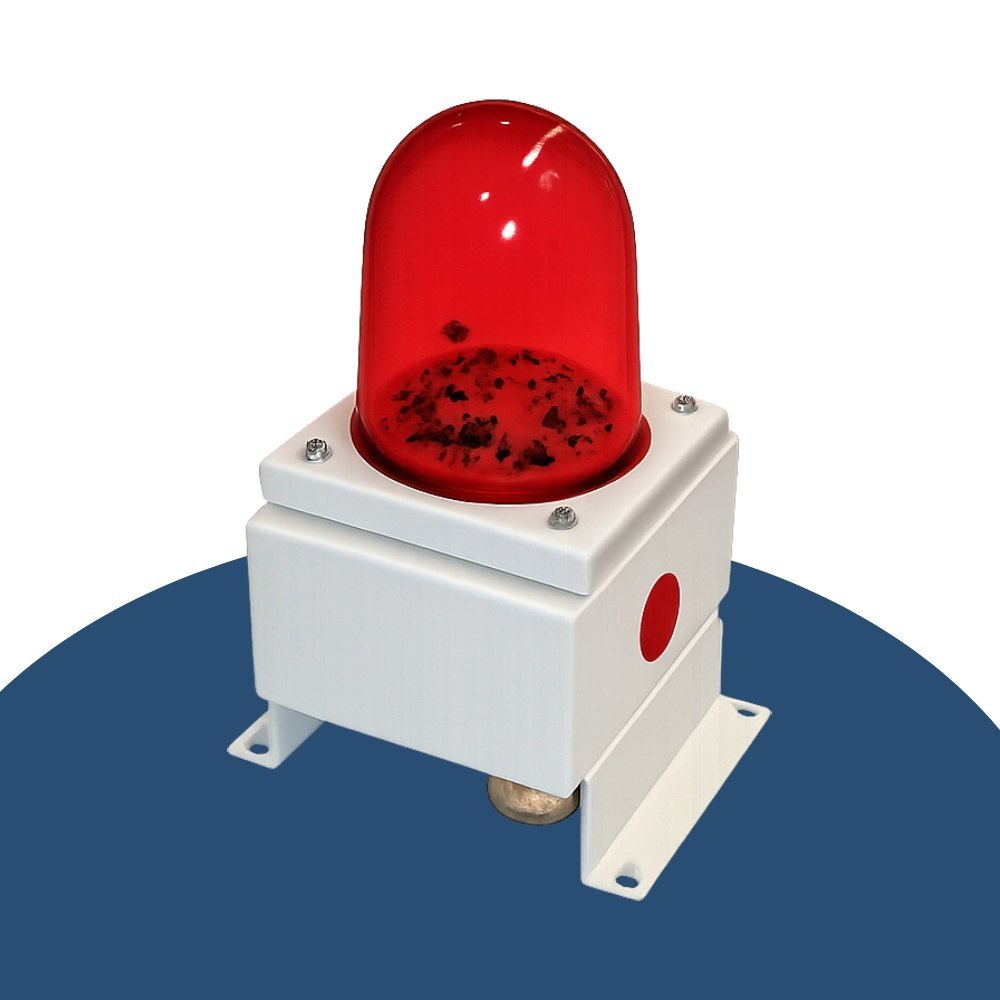
The R. STAHL TRANBERG TEF9980000 Low Intensity Aviation Warning Light is a high-performance LED status light designed specifically for helidecks, offshore platforms, and hazardous industrial installations. Engineered to comply with CAA UK CAP437, IECEx, and ATEX standards, this explosion-protected warning light provides clear visual signaling to helicopter pilots during landing operations.
Featuring a powerful 30 W red LED with infrared (IR) output, the TEF9980000 delivers an effective luminous intensity of 700 cd and automatically changes its flash rate after landing. The maintenance-free design, low power consumption, and compatibility with night vision goggles (NVG) make it an ideal solution for offshore oil & gas platforms, FPSOs, drilling rigs, and hazardous area helidecks. When integrated with the TRANBERG control system, it offers automatic monitoring of all light units without requiring redundancy systems, ensuring reliable and safe operation in demanding environments.
Featuring a powerful 30 W red LED with infrared (IR) output, the TEF9980000 delivers an effective luminous intensity of 700 cd and automatically changes its flash rate after landing. The maintenance-free design, low power consumption, and compatibility with night vision goggles (NVG) make it an ideal solution for offshore oil & gas platforms, FPSOs, drilling rigs, and hazardous area helidecks. When integrated with the TRANBERG control system, it offers automatic monitoring of all light units without requiring redundancy systems, ensuring reliable and safe operation in demanding environments.
Key Features
- CAA UK CAP437 compliant helideck status light
- ATEX and IECEx certified
- Suitable for Zone 1 & Zone 2 hazardous areas
- 30 W high-efficiency red LED with infrared output
- 700 cd effective luminous intensity
- Automatic monitoring with TRANBERG control system
- Maintenance-free operation
- Night Vision Goggle (NVG) compatible
- Flash rate: 120/min and 60/min after landing
- 1632 VDC operating voltage
- Low power consumption
- Explosion-protected Ex db op is IIB+H T5 Gb
- Reliable aviation warning system
- Ideal for offshore platforms, helidecks, FPSOs, drilling rigs, and marine applications
- Long service life with high operational reliability
Purpose-Built for Offshore and Helideck Safety
Engineered specifically for offshore platforms and helidecks, this warning light ensures optimal visibility, even in challenging environmental conditions. Its sturdy marine-grade aluminium housing provides resilience against saltwater corrosion, while the LED optical signaling technology guarantees reliable performance for increased safety and compliance.
Advanced Signaling with Red LED and IR Technology
Combining Red LED and Infrared technology offers dual-mode visibility, meeting both visual and non-visual signaling requirements. This ensures compliance with aviation regulations and provides added safety for low-visibility operations, safeguarding personnel and aircraft in hazardous or restricted areas.
FAQ's of Low Intensity Aviation Warning Lights:
Q: How is this aviation warning light typically installed and operated in offshore environments?
A: This warning light is typically mounted on helidecks or offshore structures using its compact base. It connects directly to a 16-32 V DC power source-no battery required-making it suitable for permanent installations in hazardous or marine settings.Q: What makes the material and construction of this light suitable for harsh locations?
A: The housing is constructed from marine-grade aluminium alloy, offering excellent resistance to corrosion and harsh weather conditions typical of offshore and maritime environments, thus ensuring longevity and consistent functionality.Q: When should I use a Red LED + IR aviation warning light instead of a standard light?
A: Red LED + IR aviation warning lights are recommended in situations requiring both standard and enhanced signaling-such as low-visibility periods, night operations, or when compliance with international helideck safety norms for visual and non-visual warnings is essential.Q: Where can this warning light be best utilized?
A: This light is best suited for helidecks, offshore oil and gas rigs, and hazardous locations where visible and infrared warning signals are required for aviation safety and operational security.Q: What is the benefit of its 700 cd effective luminous intensity?
A: A 700 cd effective luminous intensity ensures the light is highly visible from a distance, providing clear warnings to aircraft and crew in both normal and demanding offshore conditions, enhancing overall operational safety.Q: What process does the LED optical signaling technology use for illumination?
A: The light utilizes advanced LED optical signaling, which converts electrical energy into bright, highly efficient optical signals. This process delivers consistent illumination with low power consumption (30 W), making it both effective and energy-efficient.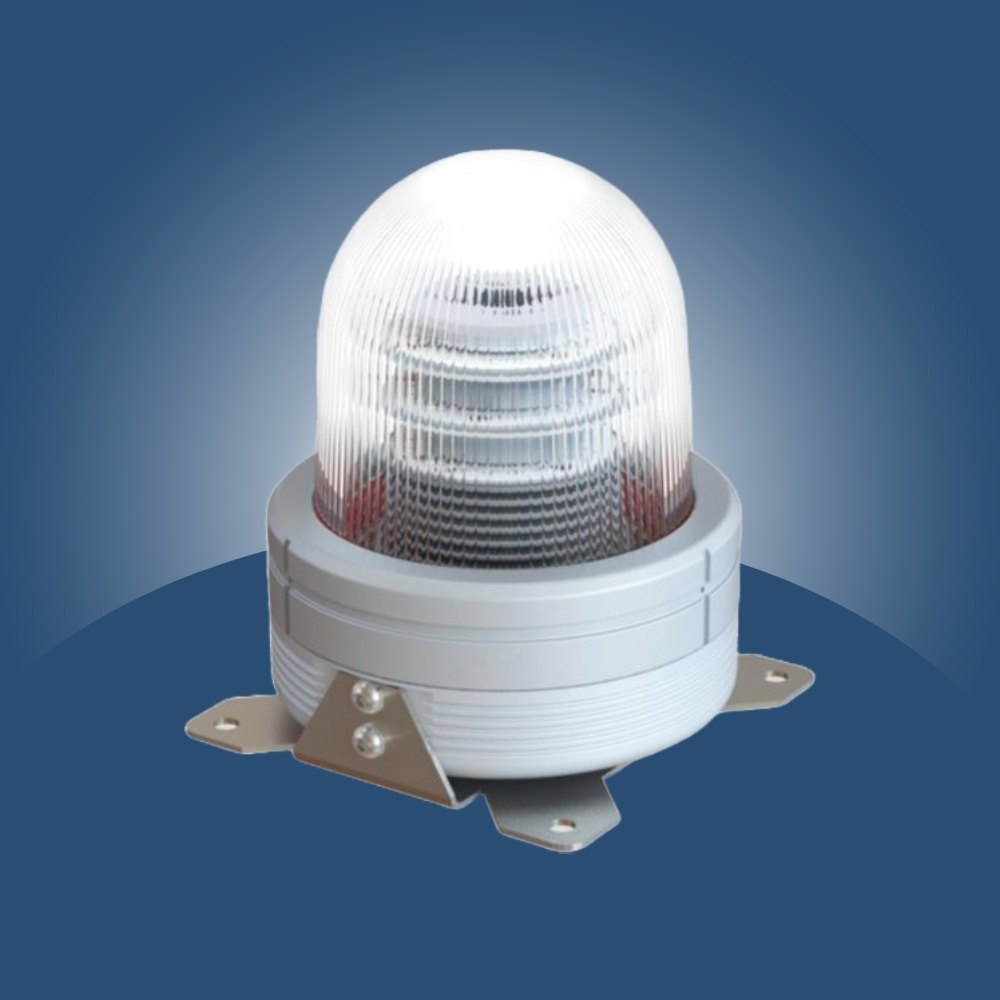
Tell us about your requirement

Price:
Quantity
Select Unit
- 50
- 100
- 200
- 250
- 500
- 1000+
Additional detail
Mobile number
Email

More Products in Aviation Light Category
Low Intensity Aviation Warning Lights
Price 35000.0 INR / Piece
Minimum Order Quantity : 1 Unit
Flying Weight : 11 Kilograms (kg)
Wingspan : Not Applicable
Type : Helicopter
Power : 30 W Watt (w)

GST : 06AAAFQ7117Q1ZV

B No. 1130, Sector - 55, Ballabhgarh,Faridabad - 121004, Haryana, India
Phone :07971258311
 Send Inquiry
- Explosion Proof Camera
- Flameproof Cable Gland
- Multi Gas Detector
- Flameproof Telephone System
- Flameproof Hooter
- Flameproof DOL Starter
- Gas Detector
- Push Button Station
- Air Conditioner
- Flameproof Switch
- Handheld Camera
- Temperature Screening Solution
- Flameproof Fan
- Cable Assemblies
- Obstruction Light
- Testing Equipment
- Power Cables
- Solenoid Valves
- Food Texture Analyzer
- PS200 Portable Multi Gas Detector
- Explosion Proof Air Conditioner
- Top Drive Cable Assemblies
- Flameproof Solenoid Valves
- Fever Screening Handheld Camera
- Explosion Proof Pendant Light Fittings
- Industrial Panel Pc
- Wall Mount Paging Station
- Flameproof Rotary Switch
- Heavy Industrial Connector
- Flir Thermal Imager
- Aviation Light
- Panel PC
- Touch Screen Panel
- Explosion Proof Enclosure Heater
- Thermal Imager
- Intercom System
- Flameproof Socket
- Flameproof Switch Socket
- Explosion Proof Junction Box
- Flameproof Lights
 Send Inquiry
 Send SMS
 Call Me Free
QANDS SERVICES AND TECHNOLOGIES LLP
All Rights Reserved.(Terms of Use)
Developed and Managed by Infocom Network Private Limited.
Developed and Managed by Infocom Network Private Limited.

